Septième Largeur Taiwan
從法國路口走進台灣街道,一場偶然的相遇,讓 Septième Largeur 成為台灣消費者信任且喜愛的品牌。 From a French crossroads to Taiwan, chance made Septième Largeur a trusted, much-loved brand.
Introduction
品牌簡介
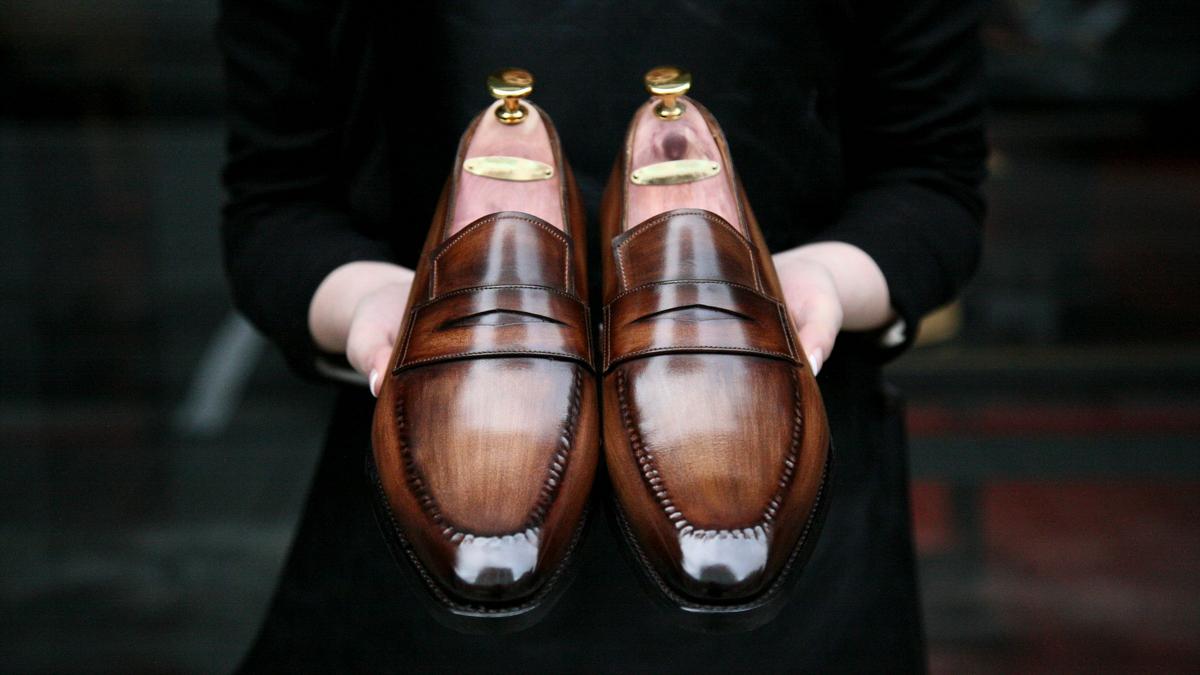
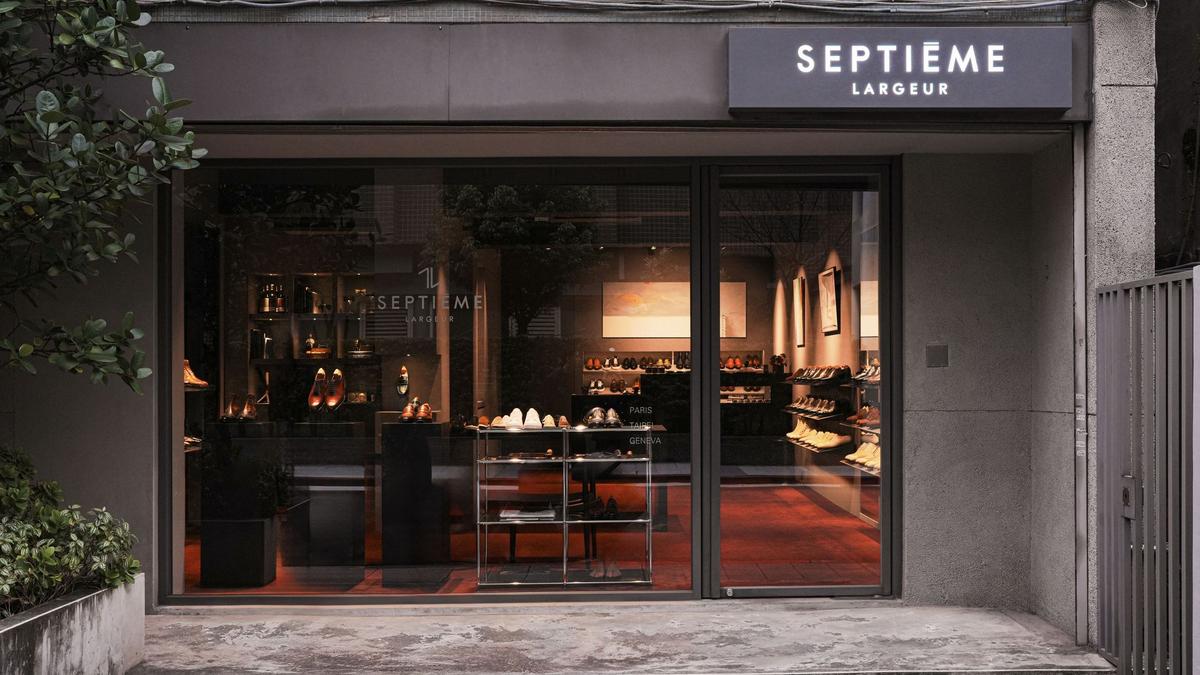
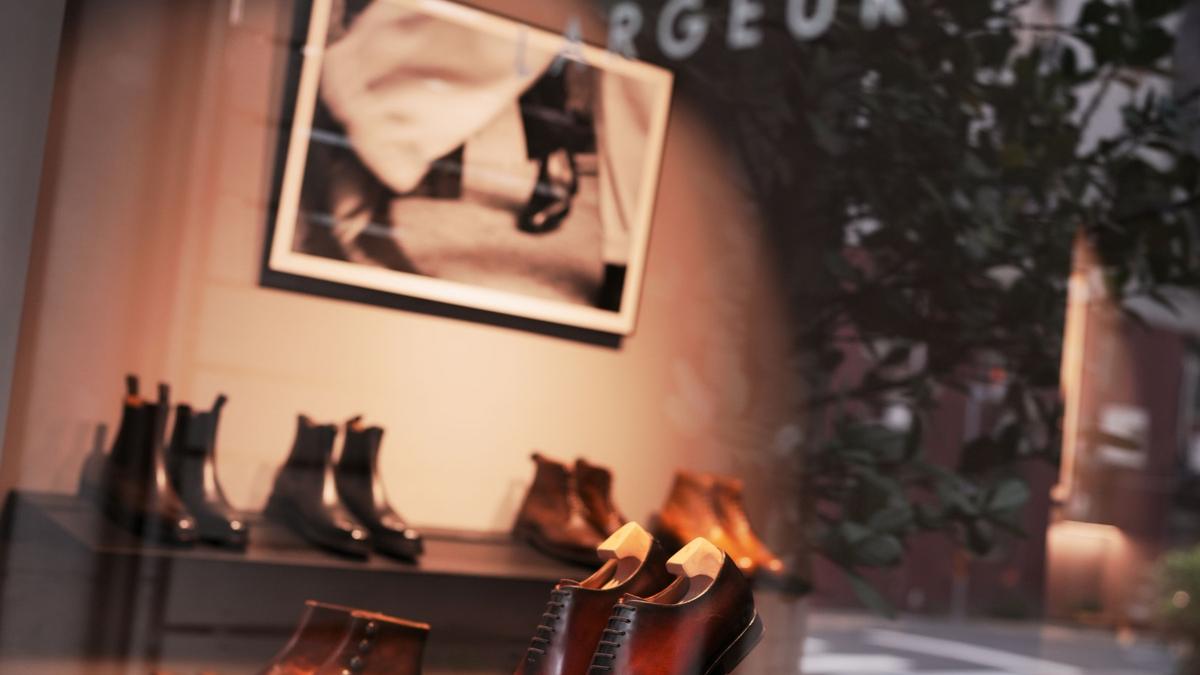
Hidden in a quiet alleyway in Da’an sits a tasteful shopfront displaying unique and colourful dress shoes that immediately catches the eyes of those walking past. The colour and patterns of these shoes are unlike anything I’ve seen before, each bursting with personality and a sense of style, waiting for the right person to uncover their dream shoes. The shop is owned by Edward and Cynthia, a Taiwanese couple that experienced the charm of Septième Largeur shoes for themselves in Paris. They decided not only to bring back a pair, but to take the extra step to open a franchise and introduce this gem to the Taiwanese market to share the dedication and joy of uncovering something so special with Taiwan.
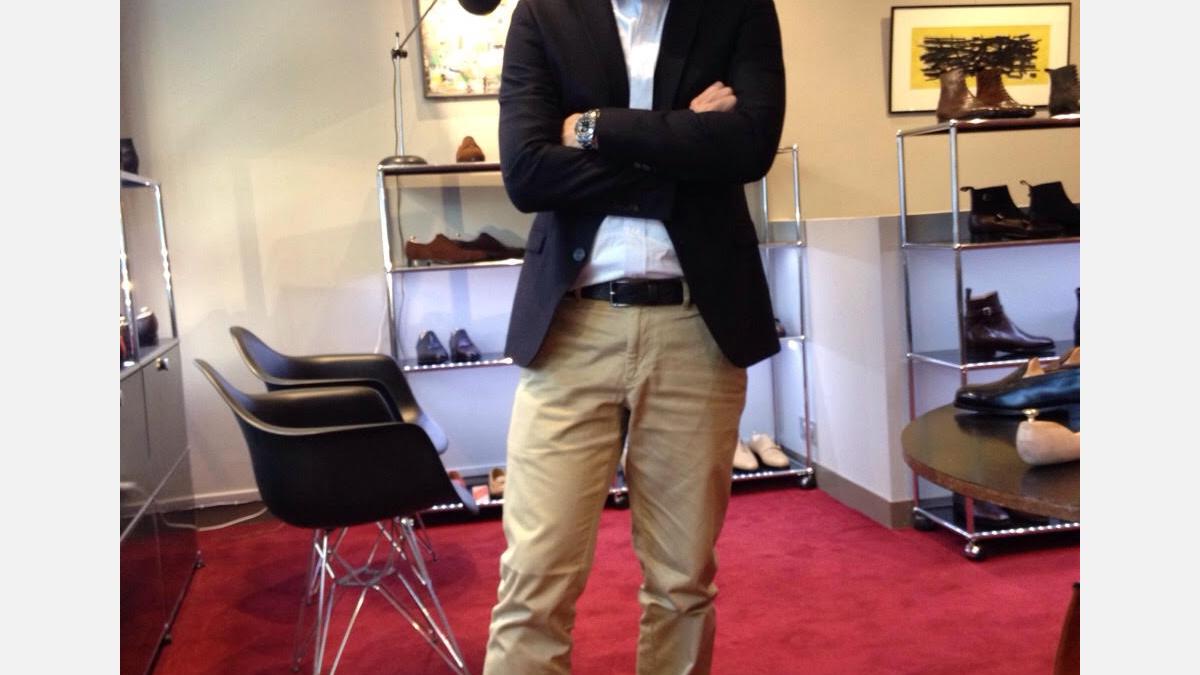
Before I sat down with Edward, he took the time to explain the little details within his store, from the art work to the furniture, all tastefully curated to design a space that is relaxing and stylish, if I had to say, everything just felt “right”, and complemented the star of their show, shoes. Beaming with pride, you can see Edward ‘s excitement in showcasing how they look after their shoes. He showed me a pair of dress shoes even after extensive wear for 3-5 years, following their resoling and polishing, that looked like any other new pair within the store. Beyond men’s dress shoes, they also offer more relaxed sneaker-style options, for those looking for quality and comfort, as well as women’s shoes, even in half-sizes, so you can be sure to find the right fit for you. For members of the French Chamber, Septième Largeur is also part of our Privilege Program, offering an exclusive discount for our members looking for new shoes.
隱藏在大安區一條安靜的巷子裡,有著一間品味十足的店面,櫥窗裡擺著顏色鮮明、圖案獨特的紳士皮鞋,路過的人很難不被吸引,忍不住多看一眼。這些鞋子的顏色和紋路,是我從來沒見過的組合,每一雙都帶著自己的個性和風格,靜靜等著懂它的人,找到屬於自己的夢幻逸品。
這間店的老闆是Edward和Cynthia,一對台灣夫妻。他們在巴黎親身體驗過Septième Largeur的魅力之後,不只帶了一雙鞋回台灣,還進一步決定代理,想把品牌的用心跟找到寶藏的喜悅分享給台灣市場。
跟Edward正式坐下來聊之前,他特地帶我認識店裡的每個小細節,從牆上的畫作到家具的擺設,每一件都經過用心挑選,打造出一個既放鬆又有品味的空間。如果要我形容,就是每個角落都「對」,也讓真正的主角,也就是鞋子,顯得更加出色。
聊到怎麼保養鞋子的時候,能感覺到Edward眼神裡藏不住的驕傲。他給我看一雙穿了三到五年的皮鞋,經過換底跟拋光之後,看起來就跟店裡剛上架的新鞋沒有兩樣。
除了男士皮鞋,他們也有比較休閒的球鞋款式,適合喜歡舒適質感的人,另外還有女鞋,甚至細到半號,讓每個人都能找到真正合腳的那一雙。
對法國商會的會員來說,Septième Largeur也是我們Privilege Program的合作夥伴之一,只要是我們的會員,想添一雙新鞋,都能享有專屬優惠。
1. From a Paris Sidewalk to a Taipei Storefront
從一雙巴黎鞋,到一間台北店
When you first visited the shop in Paris, what made you think about bringing the brand to Taiwan — and was there a specific moment, on that honeymoon trip, when the idea of opening a Taipei store really solidified?
I first stumbled upon Septième Largeur during our honeymoon in Paris. My wife Cynthia and I had a dinner booked at a restaurant with a strict dress code, proper shoes required. I didn't have anything suitable, so I went looking. Every shop I passed had beautiful shoes and well outside what I wanted to spend. I happened to be walking right by our hotel when I came across the Septième Largeur store in Paris, and I just walked in.
They were about to close. Right by the counter, I spotted the exact pair I wanted, except it wasn't for sale — the staff explained it was the founder's own personal pair, made to his size. I begged anyway, since I genuinely needed shoes for a meal the next day, and to my surprise, it was in my size, so they called him directly. The founder agreed and asked me to pick them up the next day before lunch. Picking it up the next morning, I ran into the founder himself, enjoying a great chat regarding the shoes and the design of the store and shared a photo together.
While I waited, there was a Japanese customer ahead of me, and the staff spent a full 30 minutes with him, checking the fit, actually touching his feet to find where it pinched, never once rushing him out once the sale was made. It was such a different rhythm from what I was used to in Taiwanese retail, and it stuck with me.
My love for the brand really comes from the product, though. My feet aren't a matched pair, one leg is shorter than the other, so finding shoes that fit has always been hard for me. I wore that pair across Paris for almost a week, on uneven, sloped streets and never felt the usual break-in pain. At that moment, a thought arose in me, wouldn’t it be great if I could buy shoes like this in Taipei? Once I returned, I realised there was a gap for a well-priced high quality dress shoes. The price range of Septième Largeur, ranging from €300~500 Euros, was the perfect fit for this market.
That's what convinced me to write and suggest they open here: the pricing made sense for Taiwan, and nothing comparable existed in our market except products priced about two to four times higher. I wrote to their general customer email that night, not expecting much since I had no direct contact. The founder personally replied within half an hour, remembering me from the photo I'd attached. He told me the brand was actively looking for an Asia partner, since their Singapore store had just opened, and that their core value was honesty: telling customers plainly where and how the shoes are made, what leather is used, all published, all real, and pricing that reflects that honesty rather than an expensive storefront and marketing.
We opened the store in 2015, after a short training stint in France so I'd understand the business from the inside, and the founder kept his promise that the whole French team would fly over to help. The bigger shift, though, was Cynthia's: she'd been in marketing at Canon, and took a week's leave to help with our first Patina quality check. She came out of the workshop an hour later with a finished pair that looked incredible — the team called her the most naturally talented student they'd ever taught, and encouraged her to take over the Patina painting. That's how I ended up running sales while she became our colourist.
What convinced me this was worth building, in the end, wasn't really the shoes. It was realising the Paris store wasn't selling a commercial product so much as a set of values, and the customers who kept coming back were the ones who believed in those values too.
Even the founder's advice when we were scouting locations was in that spirit: don't pick the expensive storefront, he told me, if the product is good, people will find you. Just make sure it's easy to get to and big enough to hold the inventory.
當初第一次造訪巴黎店面時,是什麼讓您萌生了將這個品牌帶到台灣的念頭?您也曾提到蜜月旅行到巴黎、進而買下第一雙鞋的經過,是否有某個特定的時刻,讓您在台北開店的想法真正成形?
我跟我太太去巴黎度蜜月的時候,訂了一家餐廳,那家餐廳規定要穿正式的鞋子才能進去,可是我那時候根本沒有帶正式的鞋子。我就沿路一家一家找,看到的鞋店鞋子都很漂亮,可是價格都超出我理想的範圍。後來走著走著,剛好經過我們飯店旁邊,看到Septième Largeur在巴黎的店,我就這樣走了進去。
當時店家其實快打烊了,我一看,就在櫃檯旁邊看到我最想要的那一雙鞋。可是老闆不賣,店員說那是創辦人自己的size,自己要穿的。我還是拜託了,因為隔天吃飯真的需要,他們就直接打電話給創辦人,創辦人說好,隔天中午前來取鞋。隔天去取鞋的時候,正好遇到創辦人本人,簡單聊了幾句、拍了張照,當時也沒想太多。但我等待的時候,前面有一位日本客人,店員花了整整30分鐘服務他,仔細確認合不合腳,甚至會去摸客人的腳找出哪裡不舒服,賣掉之後也完全沒有要趕人的意思。這跟我在台灣看慣的零售節奏完全不一樣,讓我印象很深。
不僅如此,對品牌的熱愛還是源自於產品本身。我天生有長短腳,一直以來都很難挑到合適的鞋。但那次我在巴黎穿了大概一個禮拜,走的都是又斜又硬的路,完全沒有不舒服。就是在那個時候,我心裡冒出一個念頭:如果台北也能買到這樣的鞋子就好了。回台灣以後,我發現市面上缺少中價位且品質優良的皮鞋,而這個品牌的價格帶,大概三百~五百歐元左右,剛好補上了台灣市場缺少的那一塊。
這也是後來讓我主動寫信建議他們來台灣開店的原因:這個價格帶在台灣市場很有競爭力,當時市場上類似的產品,價格大概是我們的二~四倍。我那天晚上寫信到官方客服信箱,其實沒抱太大期望,因為我根本沒有直接的聯絡方式。結果創辦人不到半小時就親自回信,還記得我,因為我信裡附了那張合照。他說品牌正在找亞洲的合作夥伴,剛好新加坡店開幕不久,也告訴我他們的核心價值是誠實:老實告訴客人鞋子在哪裡做、怎麼做的、用什麼皮料,全部公開透明,定價也反映這份誠實,而不是把昂貴店租跟行銷費用算進去。
我們在2015年開了這間店,開店前我還去法國待了一段時間,算是實習,好讓自己真正了解這個生意,創辦人也真的做到了他的承諾,開店時整個法國團隊都飛來幫忙。更大的轉折其實發生在Cynthia身上:她原本在Canon做行銷,請了一週假來幫我們驗收第一批patina成品。她進工坊一個小時後,拿出一雙完成度非常高的鞋子出來,法國團隊說她是他們教過最有天分的學生,建議她乾脆接手patina染色,於是變成我做銷售,她做染色師。
最後真正讓我覺得這件事值得投入的,其實不完全是鞋子本身,而是我發現巴黎那間店賣的不只是商品,更像是一種價值觀,會一直回來的客人,也是認同這份價值觀的人。
在我們選店面時,創辦人給的建議也都是遵循這個精神:不用選太貴太豪華的店面,東西夠好,客人自己會找上門,只要交通方便、空間夠大能放庫存就好。
2. Same Name, Different Rhythm: Taipei's Own Version
同一個名字,不同的節奏:台北自己的版本

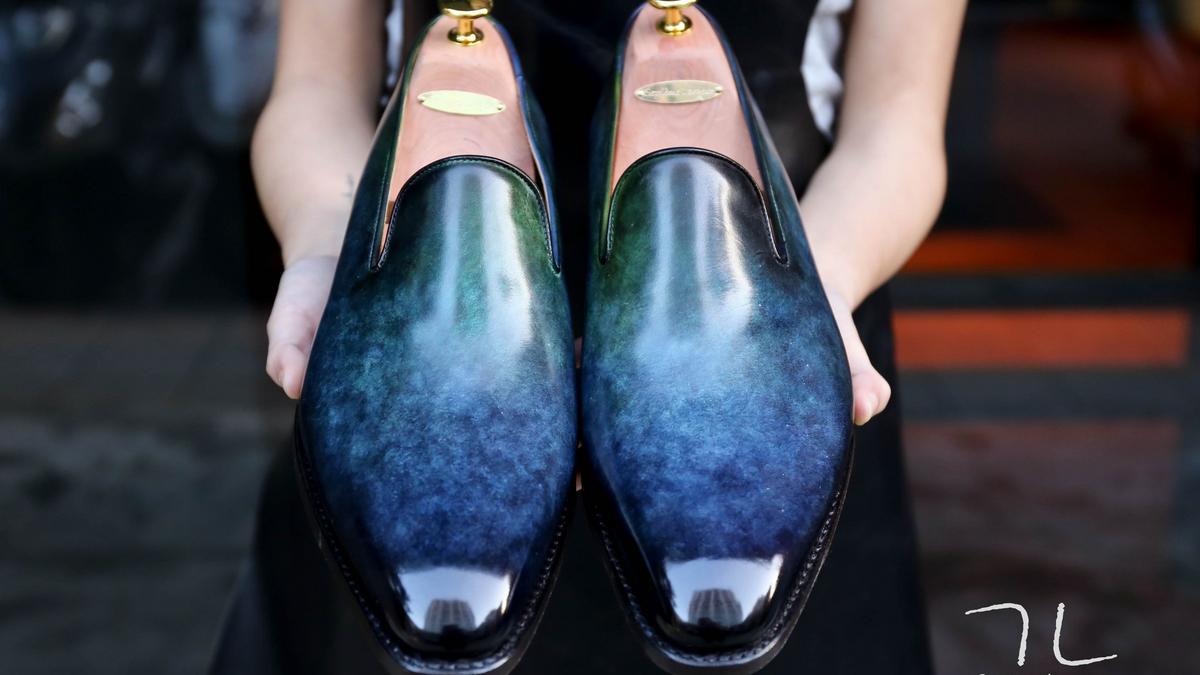
The name Septième Largeur refers to the most common men's shoe last size, and echoes a philosophy of stages — from the making of a shoe to the process of breaking it in. How far does the Taipei store carry that philosophy, and where has it developed its own version?
A lot of luxury brands arrive in Taiwan with a big splash, everyone rushes to buy, and three or five years later they've quietly faded into the background. I think it's because they never adjust the products to the taste of the Taiwanese market. The French and Taiwanese clientele differ a lot in what they are looking for in ways that go beyond taste in colour.
Take Patina. French customers tend to be more laissez faire about it, describing a feeling rather than committing to an exact shade; Taiwanese customers want precision. Fit works differently too — Asian feet tend to run wider, though plenty of French and European feet are wide as well, our founder Mathieu’s own feet included, which is exactly why we offer so many width options. Whatever shape your foot is, we can usually find something that fits. Even so, wide feet are more common here on average, so we approach customers differently: buy according to how you normally like to wear a shoe, even size up if that's your preference, since it's easy to shrink leather down later and harder to stretch it if you buy too small. In France, the norm is closer to buying strictly true to size.
The clearest difference we built specifically for Taiwan is the extra step we take in the Patina process which doesn't exist in France at all: a colour-confirmation fitting. A customer might ask for blue, but 'blue' means something different to everyone. Cynthia sits down with them, uses a gallery of over a hundred previous pairs as reference so they can point to what's close, and talks through their personality and habits, since a doctor's idea of blue and an artist's idea of blue are rarely the same shade. Once the leather is dyed, we bring the customer back to confirm it before final finishing, exactly like a fitting for a bespoke suit — if it's not quite right, we can still adjust the tone or grain before we're done. That one extra step has brought our colour-matching error rate down to essentially zero, and it simply isn't part of the process in France.
Septième Largeur(第七寬度)這個名字指的是最適合大多數人的楦頭寬度,同時也呼應了一種階段性的哲學,從製作到穿著磨合的過程。台北店在多大程度上延續了這樣的理念?還是已經發展出屬於自己的版本?
很多精品品牌剛進台灣的時候都會轟轟烈烈,大家搶著買,可是三五年後就慢慢消失了。我覺得原因是他們沒有真的依照台灣客人的喜好去調整,法國跟台灣其實是很不一樣的市場,不只是顏色喜好那麼簡單。
就拿patina來說,法國客人比較浪漫,通常只會形容一種感覺,不會講得很精確;台灣客人則希望能講到很準確的顏色。鞋型也不一樣,亞洲人的腳普遍比較寬,不過歐洲人腳寬的也不少,我們創辦人Mathieu自己的腳就很寬,這也是為什麼我們會有這麼多寬度可以選,不管你是什麼樣的腳型,基本上都能找到合適的鞋。即便如此,台灣這邊腳偏寬的比例還是相對高一些,所以我們給台灣客人的建議也不一樣:我們會請他依照平常穿鞋的習慣來選,就算喜歡穿大一點也沒關係,因為鞋子買大要改小很容易,買太小要變大就很難。法國那邊則比較習慣直接照真實尺寸買。
我們還有個為台灣特別設計的做法,是我們在patina流程裡多加了一道法國沒有的步驟:顏色確認。客人可能會說想要藍色,但每個人心裡的藍色都不一樣,我太太會坐下來跟他聊,拿出上百雙以前做過的作品讓他選出最接近的顏色,也會跟他聊聊平常的個性跟穿著,因為醫生心裡的藍色跟藝術家心裡的藍色,通常不會是同一種藍。染完之後,我們會請客人回來確認顏色,跟訂做西裝的試裝很像,如果不滿意,我們還可以再調整深淺或紋路。就是多了這一道步驟,讓我們的顏色出錯率幾乎是零。
3. The Real Cost of Holding the Standard
堅持標準,真正的代價
Sourcing and craftsmanship are the brand's core spirit in France. What's been the hardest part of holding that standard while running the business here in Taipei?
Handmade shoes are a difficult business to balance. We carry around 1,500 pairs of stock, with sizes starting from UK size 2 all the way to UK size 12.5, and since everything is handmade, restocking a sold-out size can take up to three months. That's a completely different cost structure from made-to-measure suits, where you're not sitting on that kind of inventory. It's part of why so few people in Taiwan attempt a pure specialty shoe store like ours; most importers end up running more of a general shoe-and-everything-else shop instead.
We've also had to push back on a specific piece of misconception that since we are a European brand, our shoes are less comfortable for Asians. It's simply not true for us — our extensive width options exist precisely to solve that, and we always invite our customers to try on various pairs to find their perfect fit.
At Septième Largeur, we make everything in Spain. Our founder is Spanish-French, and the world's three real centres of fine shoemaking are Italy, Spain and England, each with its own specialty: Italy leans toward the lighter Blake-stitch construction, Spain and England favour the sturdier, traditional Goodyear welt.
Then there's the mentality gap. Taiwanese customers are famously focused on cost-performance value and I don't think that's a bad instinct since it's not necessarily about chasing cheap over quality. Every customer, whatever their income, has their own sense of fair value, and our job is to make sure what we charge matches what we deliver, rather than padding the price with an expensive storefront or heavy marketing. That's why we invest so heavily in after-sales care most boutiques don't offer: in a time where many luxury counters will simply tell a customer the shoe 'can't be repaired, buy a new one,' we offer re-soling and repair; and quick in-store adjustments, since a shoe that pinches at first can usually be fixed in a minute rather than making a customer suffer weeks of breaking it in, we’re happy to do this even for customers who didn't buy their shoes from us.
French customers tend to know exactly what they want and buy quickly. Taiwanese customers generally wear leather dress shoes less often, and some have been unintentionally 'trained' by other brands to accept discomfort as normal. We spend a lot more time here changing that expectation, one customer at a time, and we're happy to.
選料與工藝是這個品牌在法國的核心精神。在台北經營這門生意的同時,要維持這樣的標準,最困難的部分是什麼?
手工鞋真的是一個很難做的生意,這點無論在哪裡都一樣。我們現在庫存大概有1500雙,尺寸從最小UK2、到最大UK12.5,因為全部都是手工,某個尺碼一旦賣完,補貨可能要等上三個月。這跟訂製西裝那種不需要囤這麼多庫存的生意完全是不同的成本結構,也是為什麼台灣很少有人願意單純做這種鞋店,大部分進口品牌最後都會變成賣鞋也賣別的東西的複合店。
一開始也遇過部分客人誤解,認為我們是歐洲品牌,亞洲人的腳型較寬,穿了會不舒服。我們總是不厭其煩地邀請他們來試穿,直到試穿後他們才會發現,不論腳是寬窄胖瘦,在我們店裡都能找到一雙舒適合腳的鞋子。
工藝上,我們的鞋子還是在西班牙做,我們創辦人本身就是西班牙裔的法國人。全世界真正做皮鞋出名的三個國家,是義大利、西班牙和英國,各有自己的專長:義大利比較走輕便的布雷克工法,西班牙和英國則偏向比較扎實的傳統固特異工法。
再來是心態上的差異。台灣客人很在意CP值,但我覺得這不是一件壞事,不是說追求便宜而已。每一個客人,不管收入高低,心裡都有自己的一套價值衡量,我們要做的,是讓價格真的對應到我們給的東西,而不是把昂貴的店租或行銷費用也算進客人要付的價錢裡。所以我們在售後服務上投入得比一般精品櫃更多:換底、修復,很多精品店這個階段會直接跟客人說沒辦法修了、趁機推銷買新款的鞋子替代。我們也提供現場調整,鞋子如果稍微咬腳,大約幾分鐘內就能調整好,不需要讓客人痛好幾週去磨合,而且即使不是在我們這裡買的鞋子,只要我們能幫忙,也不會拒絕。
相比之下,法國客人通常很清楚自己要什麼,買東西又快又準。台灣客人穿皮鞋的習慣本來就比較少,有些人甚至被「訓練」成覺得皮鞋不舒服是正常的。我們在這裡需要花更多時間,一位客人一位客人慢慢把這個觀念調整回來,但我們很願意這麼做。
4. Patina, Recut for Taiwan
為台灣重新設計的 Patina 服務
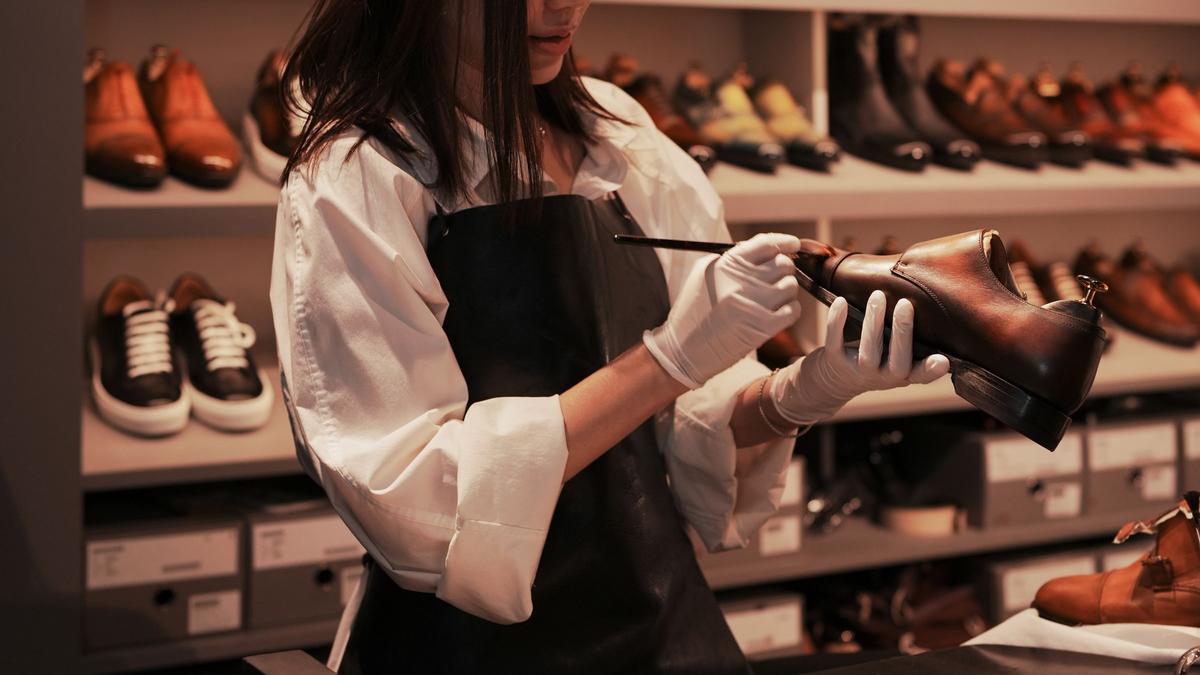
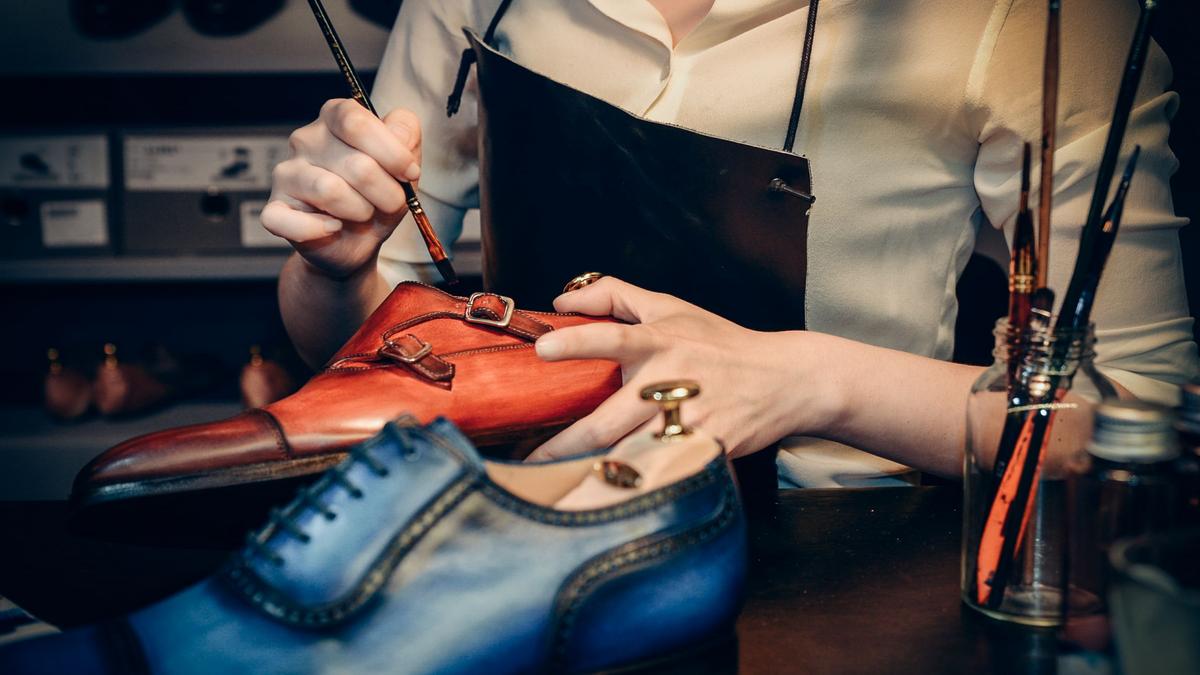
The Patina finishing service is a very hands-on, personal experience. Has adapting it for the Taiwan market changed how you deliver it?
Patina is a paid customisation service. You choose a pair in undyed, natural leather, and we hand-paint and dye it to order, as opposed to our other line of ready-to-wear shoes you can walk right out of the store in, or let age naturally over time.
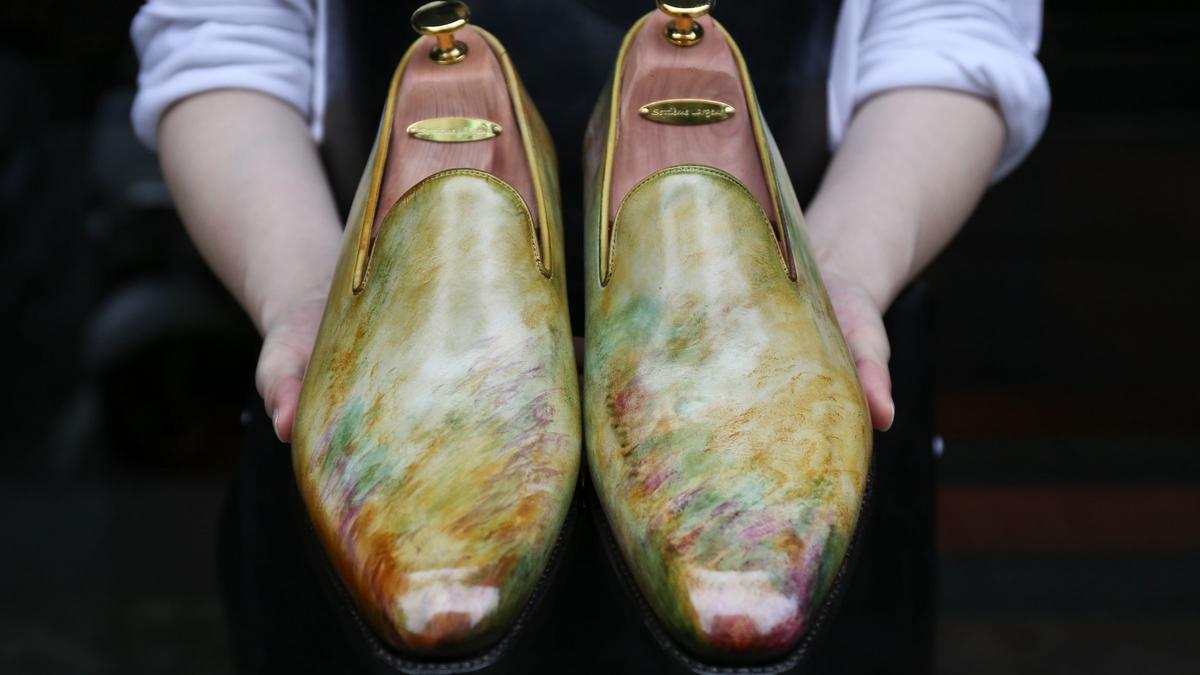
Some customers push this well past a simple colour choice — we've had someone ask for the recreation of an Impressionist Monet spring, and someone else send a personal photograph they wanted recreated on the shoe itself; Cynthia spent nine months painting that one. We don't make much margin on Patina directly, but we see the craftsmanship as something special for the brand.
Uptake has also been strikingly different by market. In France, roughly 90% of sales are ready-made and only about 10% are custom Patina orders. When we first opened in Taiwan, custom orders made up more than half our sales, and while that ratio has eased in recent years as our ready-made range has grown, custom work is still a meaningfully larger share of our business here than it is in France.
「Patina 護理服務」是非常講究親手操作與個人化體驗的。將這項服務調整以適應台灣客群時,是否改變了您提供服務的方式?
Patina是一項付費的客製化服務。客人會先選一雙原色、還沒染色的皮鞋,我們再依照客人的需求手工上色,跟另一條產品線不一樣,那條線的鞋子買了就是現成的顏色,可以直接穿,也可以放著讓它自然變色。
有些客人對這件事的要求,遠遠超過單純選個顏色。我們遇過客人希望做出印象派、莫內春天那種氛圍,也遇過客人直接寄一張自己的照片來,希望重現在鞋子上,那一雙我太太畫了整整九個月。我們在Patina這個服務上其實沒有太多利潤,但我們覺得,這份工藝對品牌來說是很值得做的加分。
兩地的接受度差很多。法國那邊大概90%都是現成鞋,只有10%左右是客製訂單。我們台灣剛開店的時候,訂製比例超過一半,這幾年隨著現成款式變多,比例有稍微下降,但整體來說,客製化在台灣的佔比,還是明顯高於法國。
5. Joining the Chamber
加入法國商會
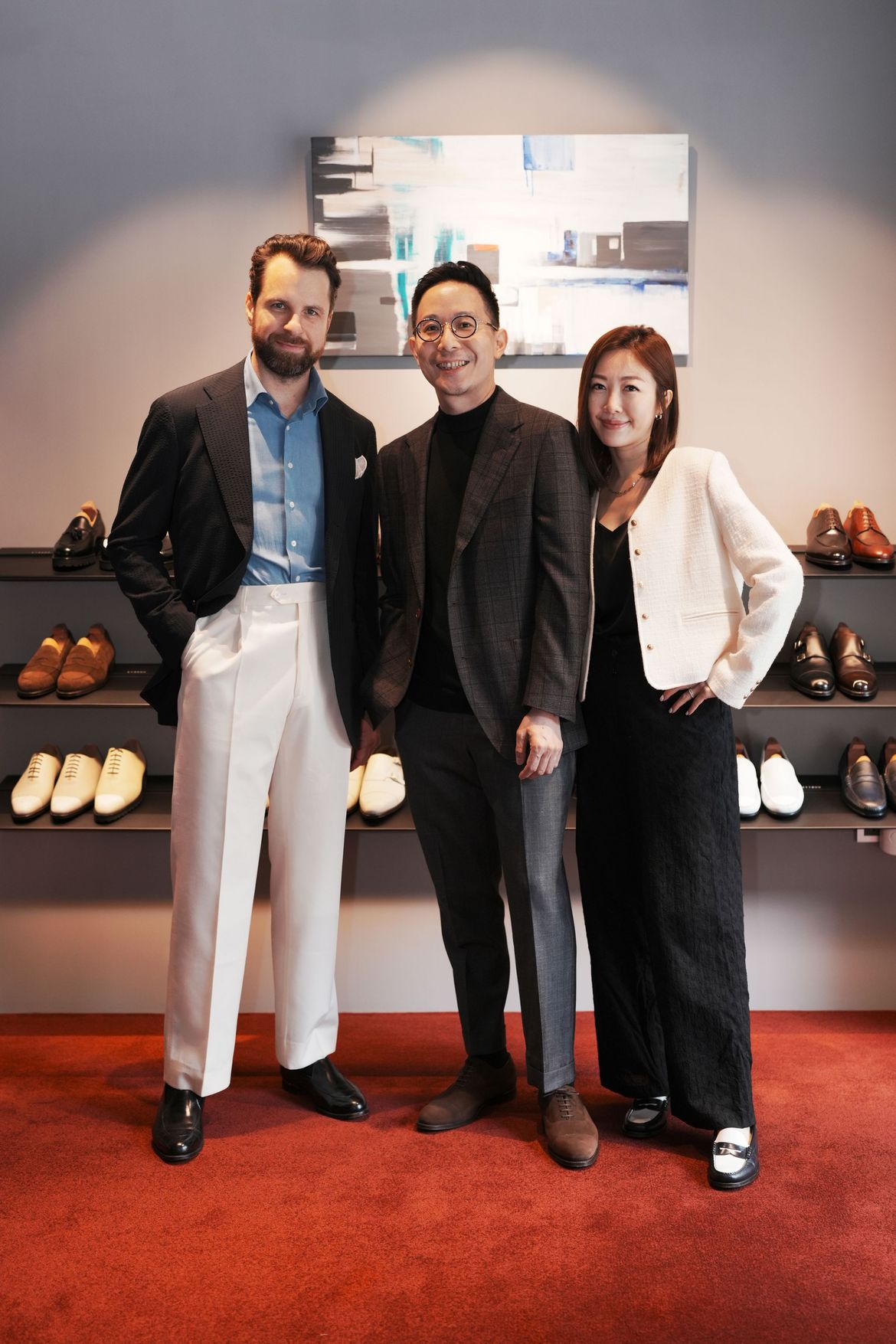
Why did Septième Largeur decide to join the French Chamber, and what's been the most useful part of membership so far?
I actually knew several Chamber board members before I formally joined — one of them invited me in. Beyond that, I also wanted Taiwan's French community to know there's a shop here offering exactly what they'd find back home, since plenty of stores here claim a French connection without really delivering it. Practically speaking, membership has mostly been valuable for the connections it's opened up.
Septième Largeur 當初為什麼決定加入法國商會?到目前為止,您覺得會員身分最實用的地方是什麼?
其實在正式加入之前,我就已經認識好幾位商會的會員,是其中一位邀請我加入的。加入商會對我來說是很自然的一件事。除了個人的緣分之外,我也希望讓在台灣的法國人知道,這裡有一間店提供的東西跟法國本店是一樣的,畢竟台灣有些店掛著法國名號,實際上跟法國並不相同。實際層面上,加入商會對我最有幫助的地方,主要還是這些人脈連結。
6. Ten Years In, Ten Years Ahead
走過十年,展望下一個十年
Ten years on, how has the Taipei store's role changed — is it still primarily about the shoes, or has it become a kind of gathering place for regulars? And as you move into the second decade, are there any milestones or changes on the horizon?
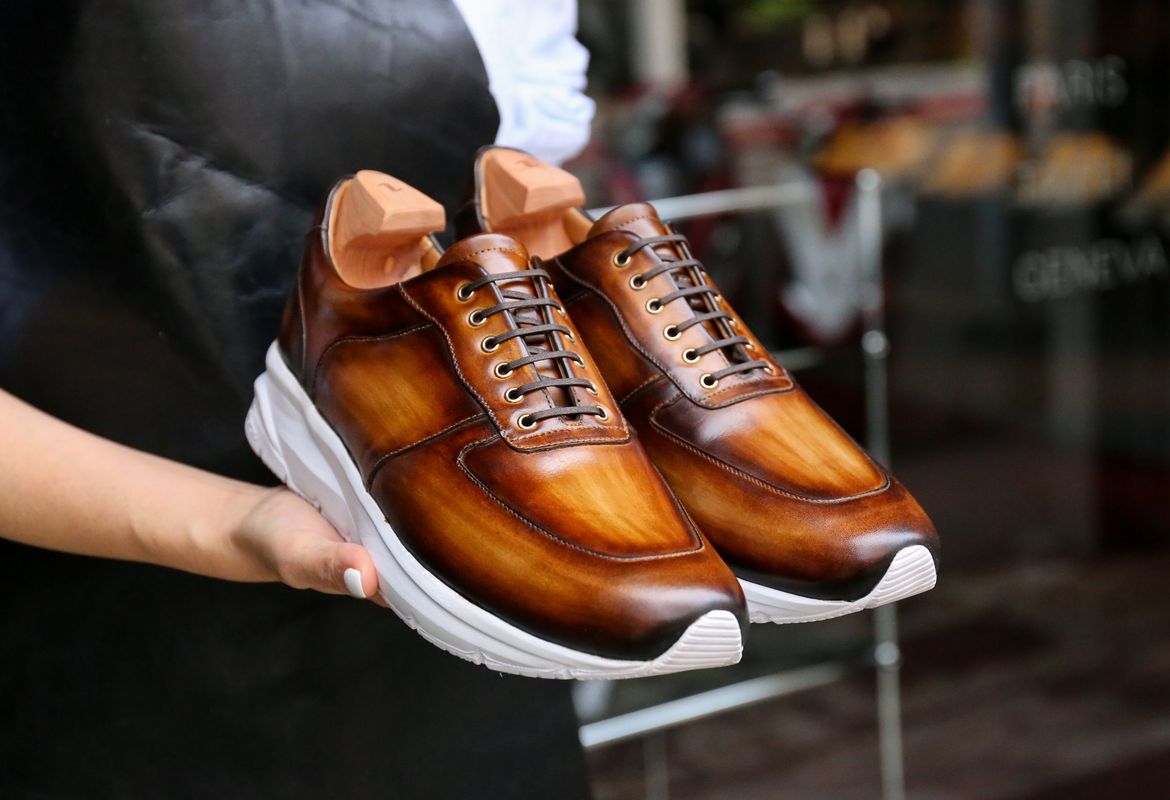
Our styles have skewed younger and more casual, mostly because fashion right now is largely set by luxury streetwear brands, so we've added a lot more casual, sneaker-style pieces. One example is a shoe we call Da'an, originally something our founder made purely for himself; we liked it so much we asked to adapt it into a Taiwan-exclusive model, a sneaker silhouette with more classic dress-shoe detailing underneath, and it's become so popular here.
Running this kind of business has taught me you can never stand still. A style that used to have a five-year shelf life might now last six months before the market moves on, especially online, so we're constantly pushing to stay ahead on materials, adjustment techniques and tools. Some of the methods we use now exist only here in Taiwan, and we're always looking for a better product or a better way to take care of a shoe.
Our customer base is still overwhelmingly repeat customers and referrals. New customers usually find us through Instagram or press coverage, so they arrive already knowing our background. Since a proper fitting can take anywhere from thirty minutes to two hours, our relatively quiet foot traffic means that we can offer more dedicated services.
I remember one time, a customer once walked in wearing flip-flops, looking like he'd just wandered in off a grocery run. He asked me a few questions regarding dress shoes and promised to pop by again next time to buy a pair. Some time went by and he showed up dressed stylishly in a suit, after a brief chat, I learned that he actually lived right around the corner and had simply dropped in casually the first time. He's been one of our most loyal regulars since. The lesson stuck with me: never assume who someone is by how they walk in the door.
Looking ahead, it's not so easy to plan five or ten years ahead anymore, the market is moving too fast; realistically we can only plan for the next season or for the remainder of the year. Since the trends are shifting faster than ever. My priority for the next decade is to widen our customer base with more of today's popular casual styles, while preserving our classic, heritage lines. We've noticed customers who used to buy dress shoes from a few other well-known names can no longer find those styles there, since those brands have shifted almost entirely into sneakers — some of them have landed with us instead, which gives us room to do both: keep the classics alive and continue innovating.
Either way, our goal isn't aggressive growth, more staff or more locations — it's serving the customers we already have, well and consistently. My own definition of a heritage shop is simple: you survive long enough that the shops around you close, and you become a heritage shop just by enduring. A craftsman's spirit means doing the same work every day and getting a little better at it, year after year, for ten years, twenty years. That's the direction we want to keep going in.
十年過去了,台北店的角色有什麼樣的轉變?是仍然以鞋子為主,還是已經成為老顧客們聚集的某種社群空間?隨著門市邁入第二個十年,是否有計劃中的里程碑或改變?
我們的款式確實有在往年輕、休閒的方向調整,主要是因為現在的時尚大多是精品街頭品牌在定義,所以我們多了很多休閒、球鞋風格的鞋款。像我們有一款叫「大安」的鞋,原本是創辦人自己做給自己穿的,我們很喜歡,就提議把它改成台灣獨賣款,外型是球鞋,但細節上保留比較經典的元素,在這裡意外地受歡迎。
做這個生意讓我學到一件事,就是永遠不能停在原地。同一款鞋,以前可能能賣五年,現在網路資訊流動這麼快,可能半年就跟不上了,所以我們一直在材料、調整技巧跟工具上力求進步,有些調整技術目前全台灣只有我們有,我們也不會停下來,一直在找更好的產品或更好的保養方式。
我們的客群主要還是熟客跟朋友介紹。真正的新客人,通常是已經透過IG或媒體報導認識我們,進來之前就先做過功課,也已經了解我們的背景。因為一次完整的服務可能要花30分鐘到兩個小時,所以我們店的來客量不多,反而是好事,我們可以提供更細緻的服務 。
這段時間裡我最喜歡的一個故事,是有一位客人穿著拖鞋短褲走進來,看起來就像是買菜路過,問了一些皮鞋相關的問題,跟我約好下次再過來買鞋。隔一段時間再來到店裡,穿著西裝筆挺,非常有品味,閒聊後才知道他就住在附近,第一次只是隨性走進來看看。從那之後他變成我們最忠實的常客之一。這件事讓我一直記得:不能用客人走進來的樣子去判斷他是誰。
往後看,現在真的很難再規劃五年、十年的計畫了,變化太快,實際上我們可能只能規劃到下一季或下半年。就連鞋款的流行都變得很快。我接下來十年的重點,是希望能擴大客群,加入更多現在流行的休閒款式,同時保留我們經典的款式。我們也注意到,有些客人以前習慣買幾個知名品牌的正裝皮鞋,現在那些品牌幾乎都只剩球鞋了,這些客人就轉而在我們這裡找到類似的選擇,這也讓我們有機會同時做兩件事:保留經典,也持續創新。
不管怎麼樣,我們的目標從來不是要一直擴張、多請人或多開分店,而是把現有的客人服務好。我自己對「老店」的定義很簡單:當別的店都消失了,你還活著,你就變成了老店。所謂的職人精神,就是每天做一樣的事,卻能一年一年、做十年、二十年,越做越好。這就是我們想繼續走下去的方向。
7. Crafting fine footwear, perfected by time 以時間成就一雙美好鞋履
Over these ten years, is there a customer or a pair of shoes that's stayed with you — your favourite story from the shop?
I'll pick two, because I can't choose just one.
The first is the founder's own personal pair — the same one from that honeymoon story. It's built on a rounder, wider last that suits Asian and Taiwanese feet exceptionally well. That style has actually been discontinued in France; today it exists only here, and we've kept offering it because it's proven just as popular with our Southeast Asian and Japanese customers. It carries real personal history for me, and it's a style I'll keep preserving.
The second is that In Paris 2016, I noticed a certain minimalist sneaker style becoming popular and I thought something in that direction, dressy enough to pair with a suit but genuinely comfortable and casual, would work well for us. As a traditional shoemaker, it took some convincing internally, though soon our founder made a trip to New York fashion week and saw for himself how many fashion-forward customers there had already moved that direction. The shoe launched in April 2019 under the name Soho.
Its timing turned out to matter more than any of us expected. The pandemic hit not long after, and remote work took over almost overnight — when people stopped needing formal shoes, our leather shoe sales dropped by roughly half, but the Soho line kept selling and effectively carried the Taipei store's numbers through that stretch. It's still hugely popular today, and between that and the resoling and upper-repair service we offer for it, we're confident it's one of the most durable shoes of its kind on the market.
十年來,是否有某位顧客或某一雙鞋,讓您印象特別深刻,成為店裡最喜歡的故事?
我想挑兩雙,因為真的沒辦法只選一個。
第一雙,就是創辦人自己那雙鞋,也是前面提到我蜜月旅行那個故事裡的那雙。它的楦頭做得比較寬扁,很適合亞洲人、台灣人偏寬偏扁的腳型。這個楦頭其實在法國已經停產了,現在只有台灣還在提供,我們一直保留下來,是因為東南亞跟日本客人也一樣很喜歡。這雙鞋對我來說有很深的個人意義,這個款式我會一直保留下去。
第二雙, 2016左右我在巴黎看到一種極簡風格的白色休閒鞋開始流行,覺得這個方向的鞋子,可以搭西裝又夠休閒舒服,應該很適合我們。因為我們畢竟是傳統製鞋廠,一開始要說服內部並不容易,直到創辦人去了一趟紐約時裝週,親眼看到很多時尚客人已經開始往這個方向走,才真正定案。這雙鞋在2019年4月上市,取名叫Soho。
後來的時機比我們當初想像的還重要。疫情的開始促進了遠端工作模式,當大家不再需要穿正裝皮鞋的時候,我們皮鞋的業績掉了大概五成,但Soho這款鞋一路熱賣,幾乎是靠它撐過了那段時間。它到現在還是非常受歡迎,加上我們提供的換底跟鞋面修復服務,我們有信心,它是市面上同類型裡最耐穿的鞋子之一。
The Deep Dive series aims to capture the spirit and stories of our members across all sectors in English and Mandarin for distribution on our website, LinkedIn, Instagram and Threads.
For interview opportunities on the Deep Dive series, please contact Amber FLYNN at pr@ccift.org.tw
Deep Dive 系列,希望以中英雙語的方式,記錄我們各行各業會員的精神與故事,並於官網、LinkedIn, Instagram 及 Threads 上發布。
如果您也想參與 Deep Dive 系列的專訪,歡迎聯繫 Amber FLYNN,pr@ccift.org.tw。