Event report
Luncheon with Minister of Environment
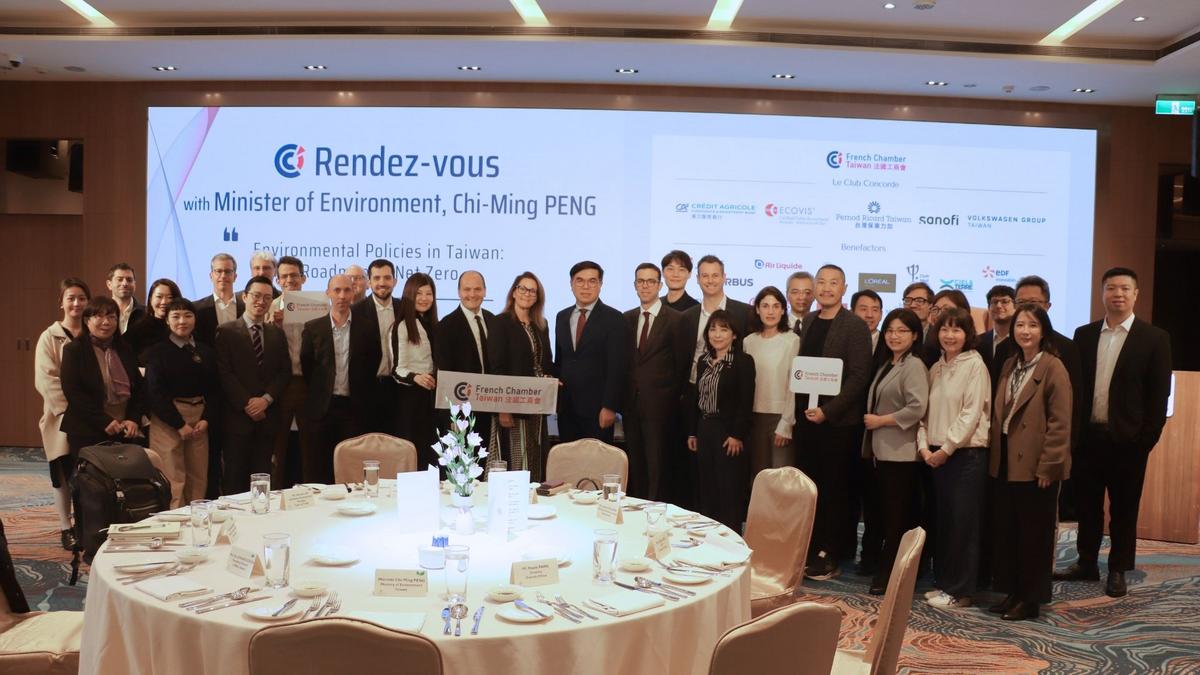
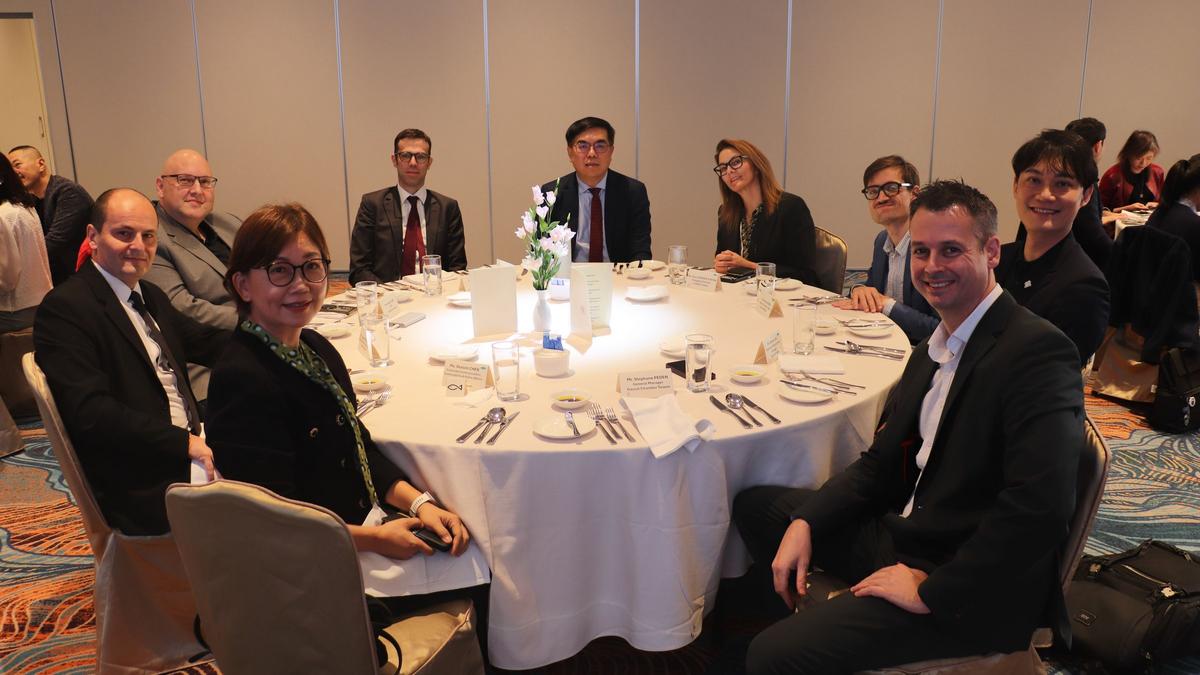
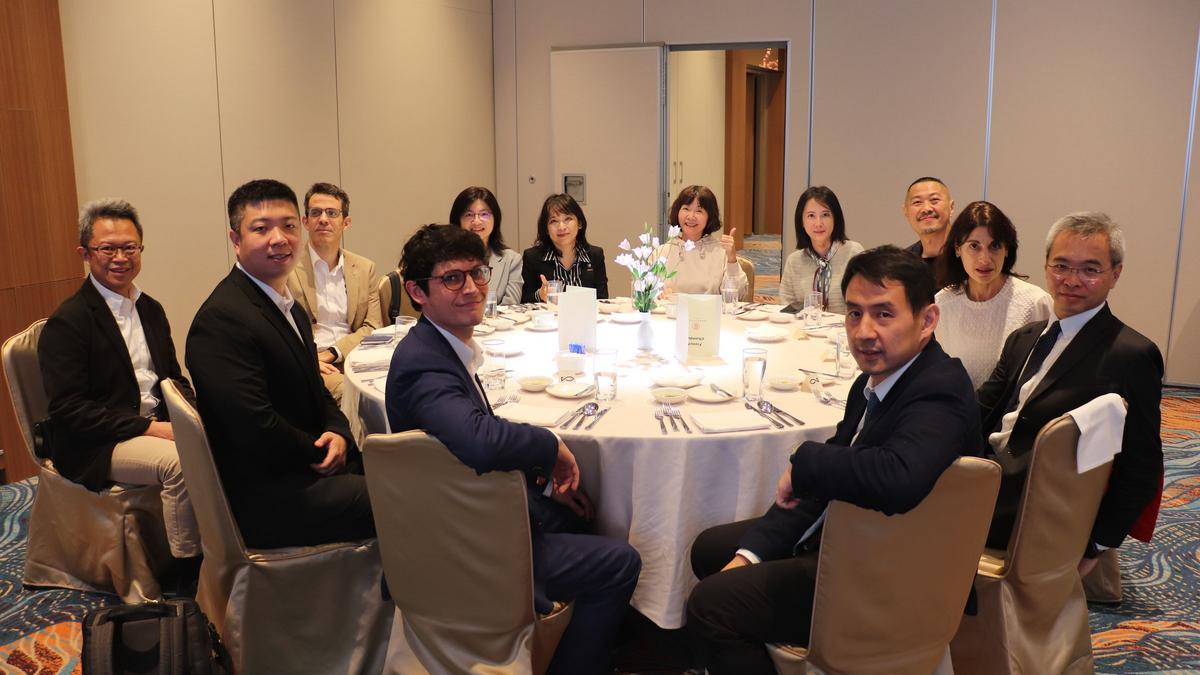
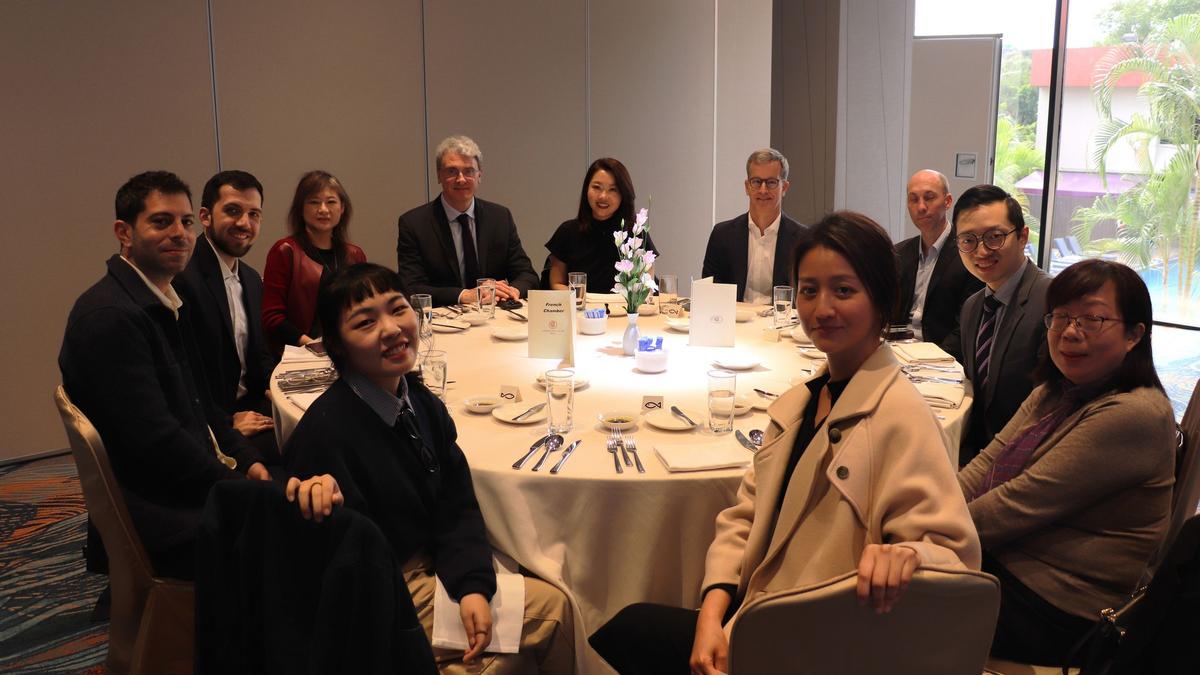
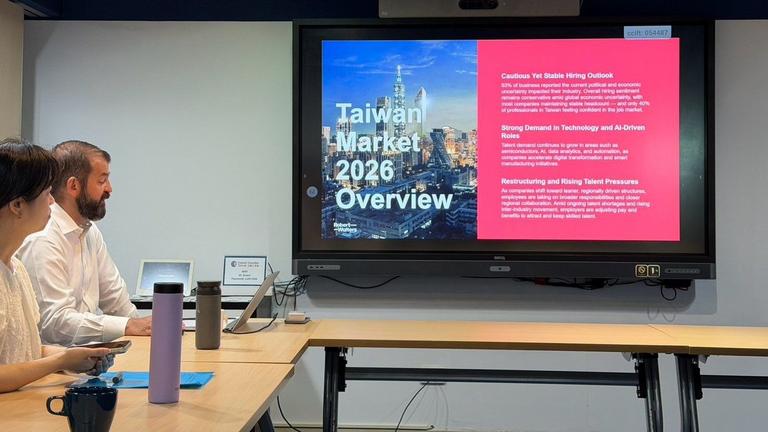
Last Friday, the French Chamber of Commerce and Industry in Taiwan hosted a high-level luncheon bringing together its members and Peng Chi-ming, Minister of the Environment, to discuss Taiwan’s environmental roadmap and the role of international companies in the transition to net zero.
The luncheon offered Chamber members a unique opportunity to better understand the Ministry’s priorities, regulatory direction, and expectations toward the private sector, in a context where climate, energy, and industrial competitiveness are increasingly interconnected.
Opening Remarks
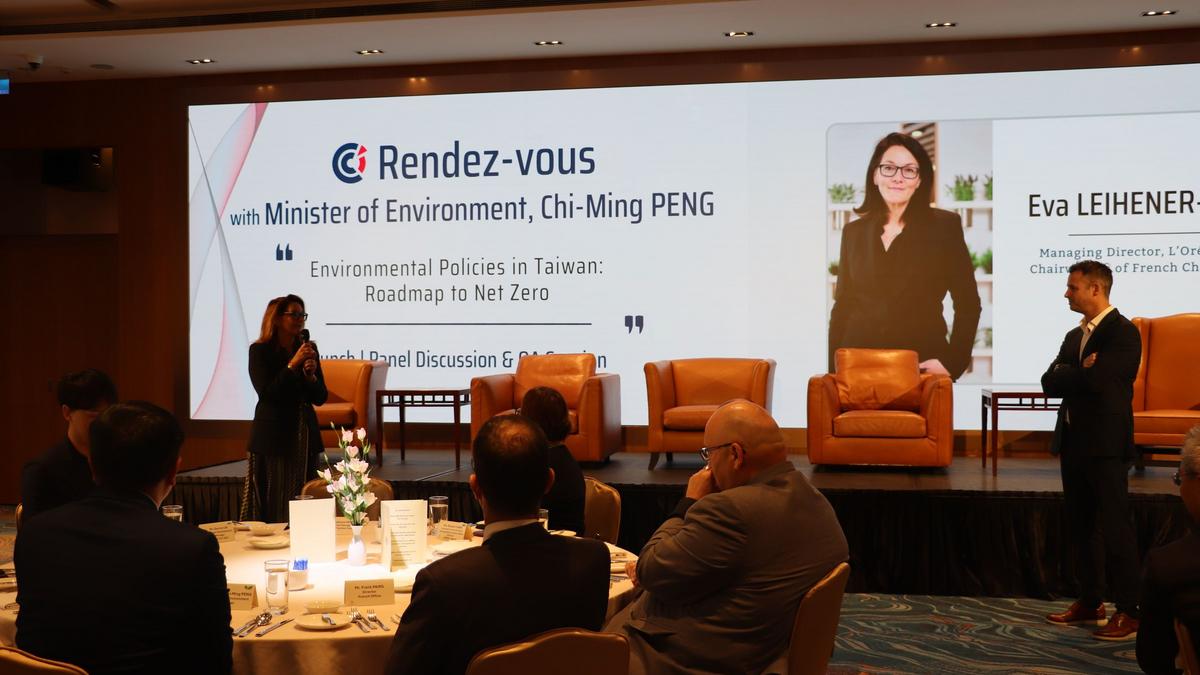
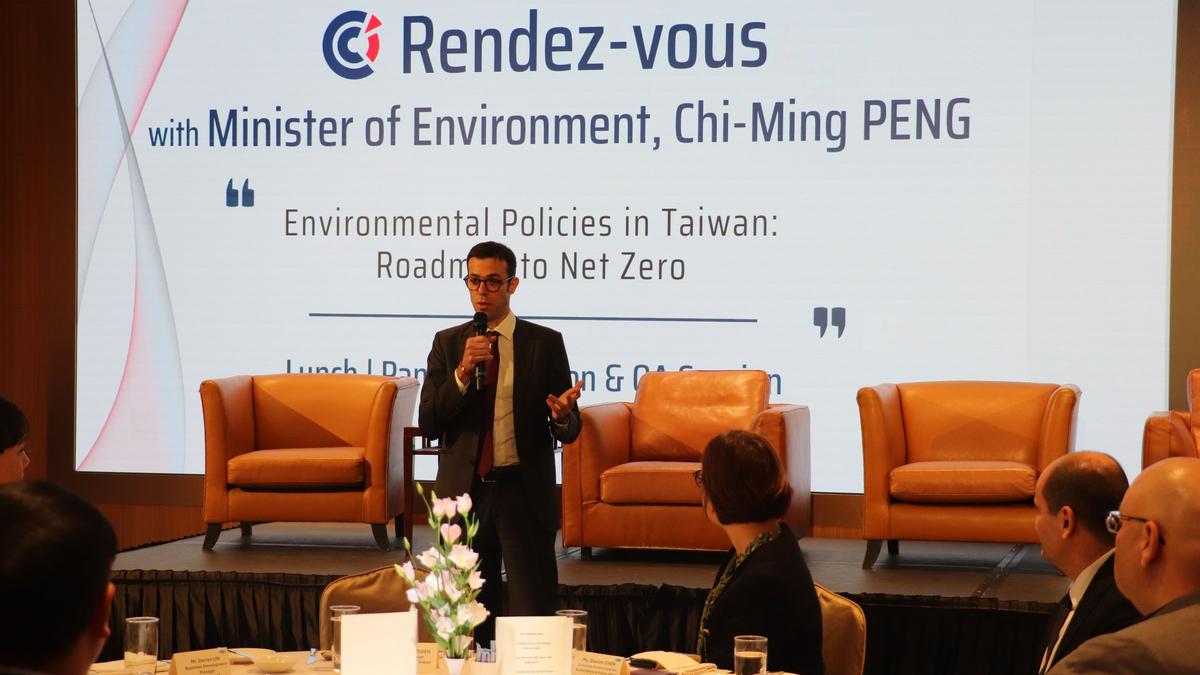
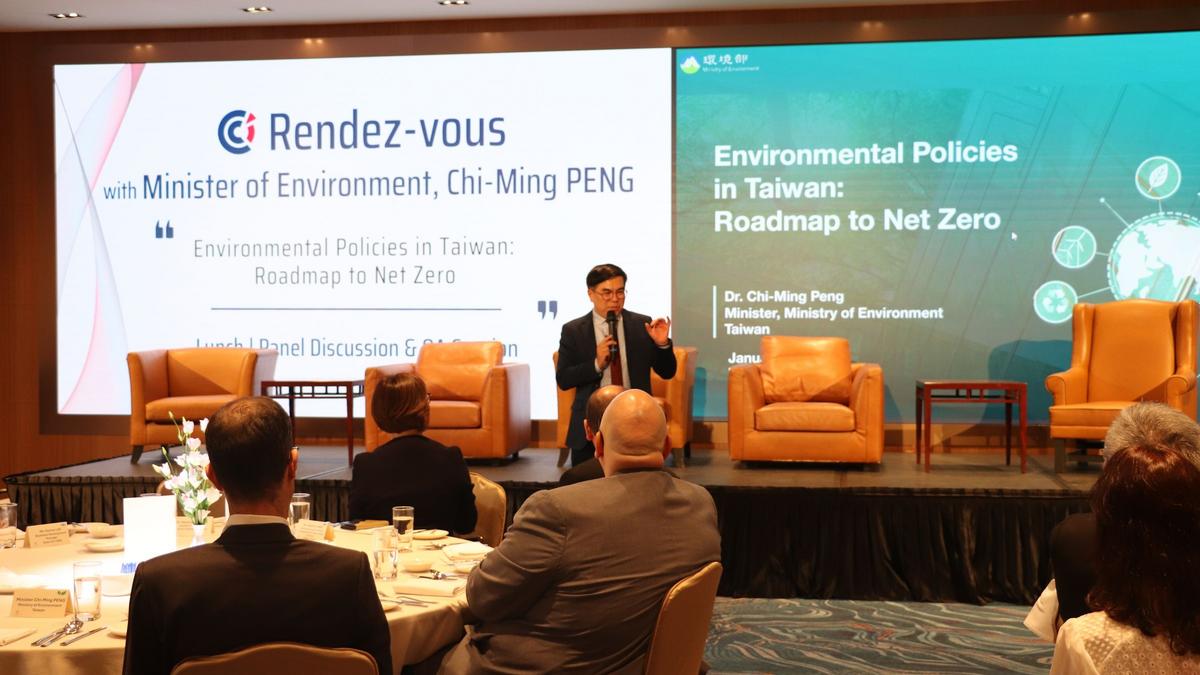
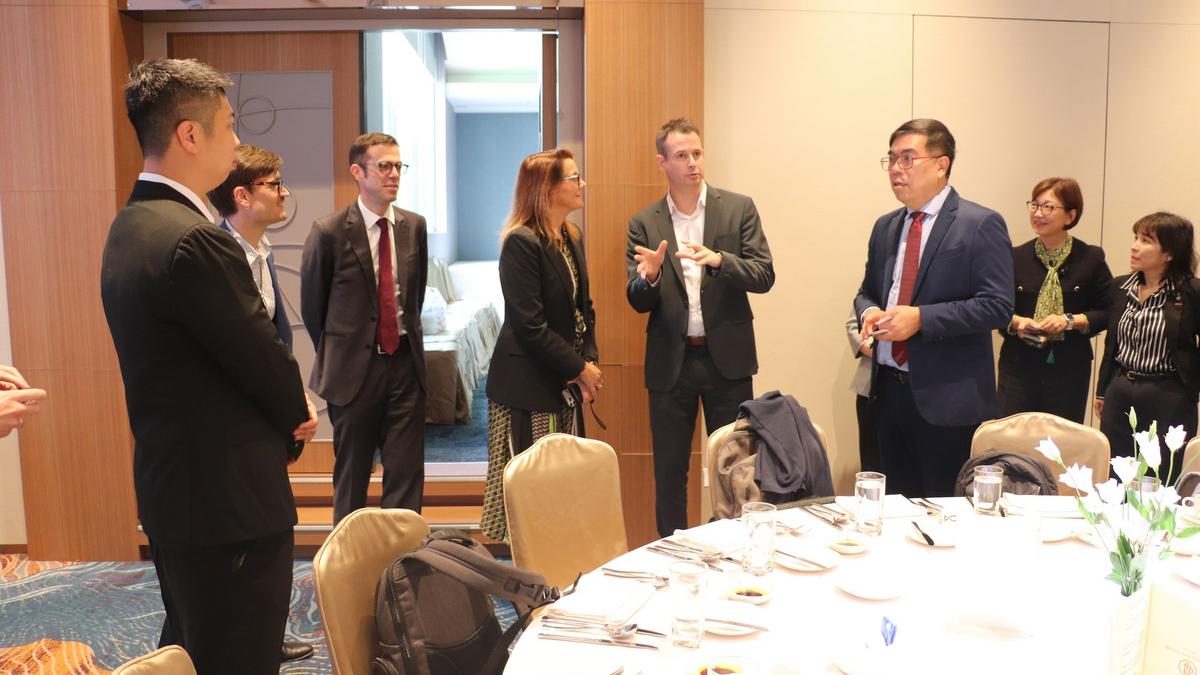
The event opened with an introduction by Eva Leihener-Stefan, Managing Director of L’Oréal Taiwan and Chairwoman of the French Chamber, who highlighted the importance of dialogue between policymakers and businesses when addressing sustainability challenges and the role of the chamber to help Taiwan government connect with French companies,
This was followed by welcoming remarks from Franck Paris, Director of the French Office in Taipei, who underlined the strength of France–Taiwan cooperation on environmental and climate-related topics and the importance of maintaining open, trust-based exchanges.
Ministerial presentation: Taiwan’s roadmap to net zero
Minister Peng Chi-ming then delivered a comprehensive presentation outlining Taiwan’s environmental policies and Roadmap to Net Zero 2050.
He emphasized that Taiwan has entered a phase of implementation rather than commitment, with concrete measures already underway. Key points included:
- Carbon pricing: 2025 marks the start of Taiwan’s carbon fee system, initially covering around 250 large emitters. By 2030, emissions reductions could reach up to 37 million tCO₂e, approximately 14% of 2005 levels. A dual-track system combining a carbon fee and a pilot Emissions Trading System (ETS) is under development.
- MRV and governance: Strengthening measurement, reporting, and verification (MRV) systems is a priority, with Taiwan drawing lessons from international models such as Germany’s ETS.
- Energy transition: Renewable energy remains the top priority, with continued development of offshore wind, solar PV, geothermal, and small hydropower. The Minister stressed that regulatory frameworks aim to balance environmental protection, land management, and deployment speed.
- Circular economy: Taiwan is advancing resource circulation policies, including stricter governance on emerging waste streams, enhanced traceability, and support for circular industries.
- GreenTech development: Taiwan’s green technology sector is growing steadily, with strong potential in circular economy, renewable energy systems, and energy efficiency.
Throughout his presentation, Minister Peng highlighted the importance of public–private collaboration and encouraged international companies to see Taiwan as a testing and implementation hub for climate solutions.
Panel Discussion: Business Perspectives and Policy Dialogue

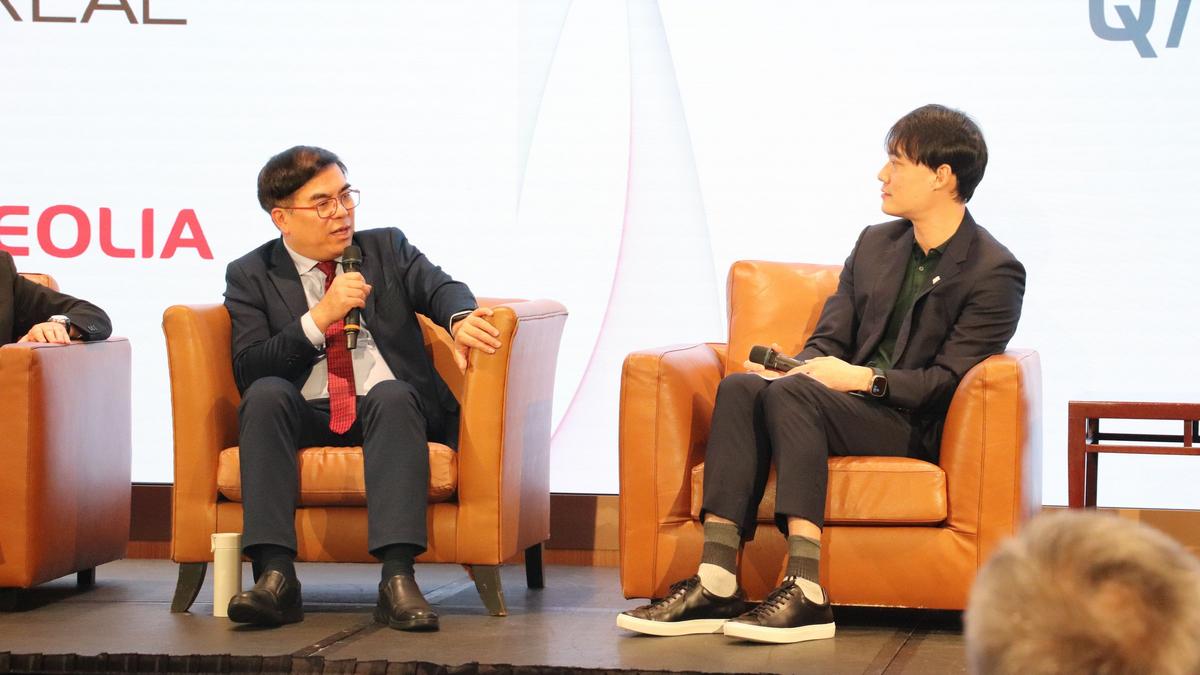
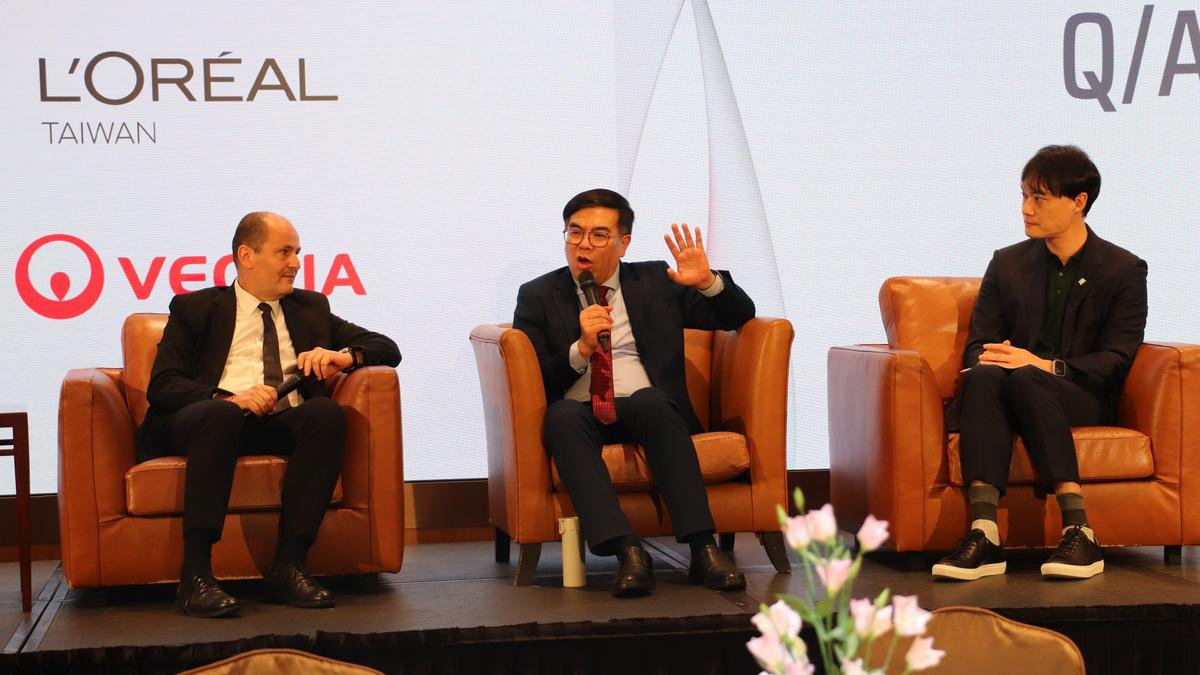
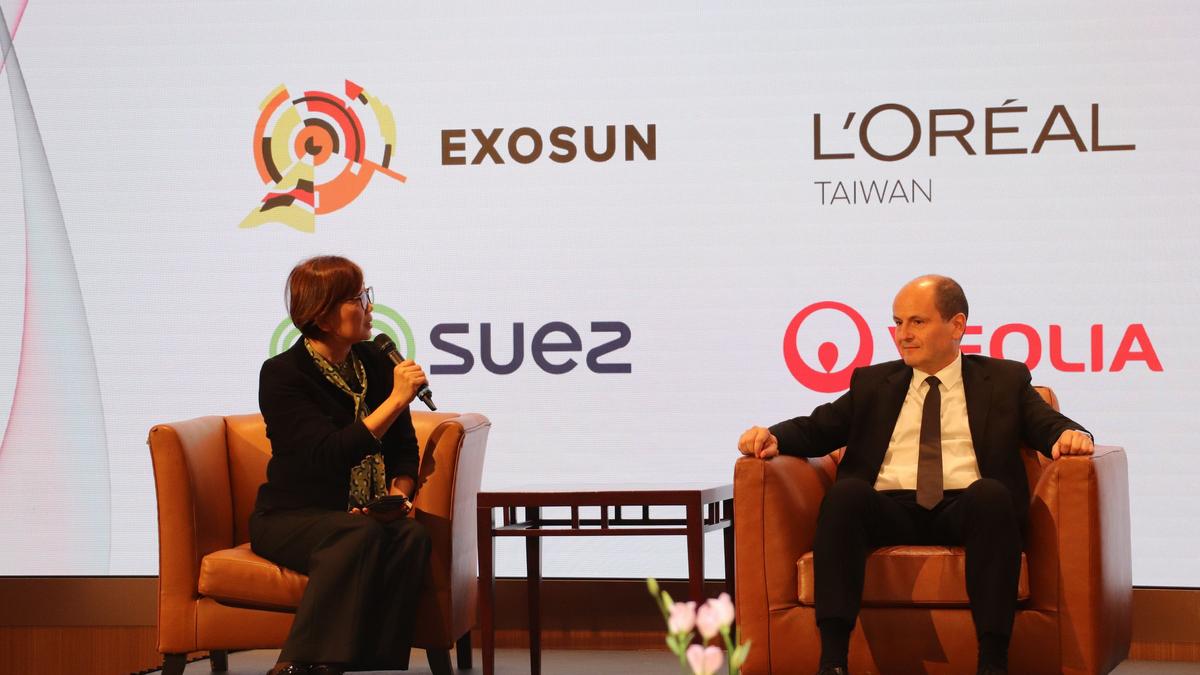
The ministerial presentation was followed by a panel discussion bringing together leading international companies active in Taiwan:
- Laurent Pelletier, CEO, Veolia Hong Kong & Macau and CEO, Veolia Taiwan
- Shalom Chen, Chief Sustainability Officer, L’Oréal Taiwan
- Cedric Jaeg, CEO, Exosun Farming
- Darren Lin, Business Development Manager, SUEZ International SAS, Taiwan Branch
The discussion addressed concrete regulatory and operational questions raised by the panelists:
- Water and PFAS regulation (Veolia): With Taiwan planning to add 20 PFAS substances and other emerging contaminants to drinking water standards by 2026, questions focused on whether PFAS regulation would be extended to wastewater and soil, and how contaminated waste treatment and disposal would be governed.
- Sustainable packaging (L’Oréal): The discussion explored the timeline for upcoming packaging regulations and whether Taiwan intends to align its framework with international standards such as the EU’s ESPR or PPWR, to ensure regulatory consistency for global companies.
- Energy security and agrivoltaics (Exosun Farming): The panel examined how Taiwan can maintain long-term investment momentum in renewables amid nuclear energy debates, and how agrivoltaic projects can remain economically viable for farmers while supporting national renewable energy targets.
- Hydrogen and MRV frameworks (SUEZ): The focus was on whether selected waste-to-energy or hydrogen-related facilities could be designated as pilot platforms, pairing hydrogen production with robust MRV frameworks and clear performance KPIs, and whether the main gap lies in governance structures or demonstration-scale experience.
Open Q&A and Closing
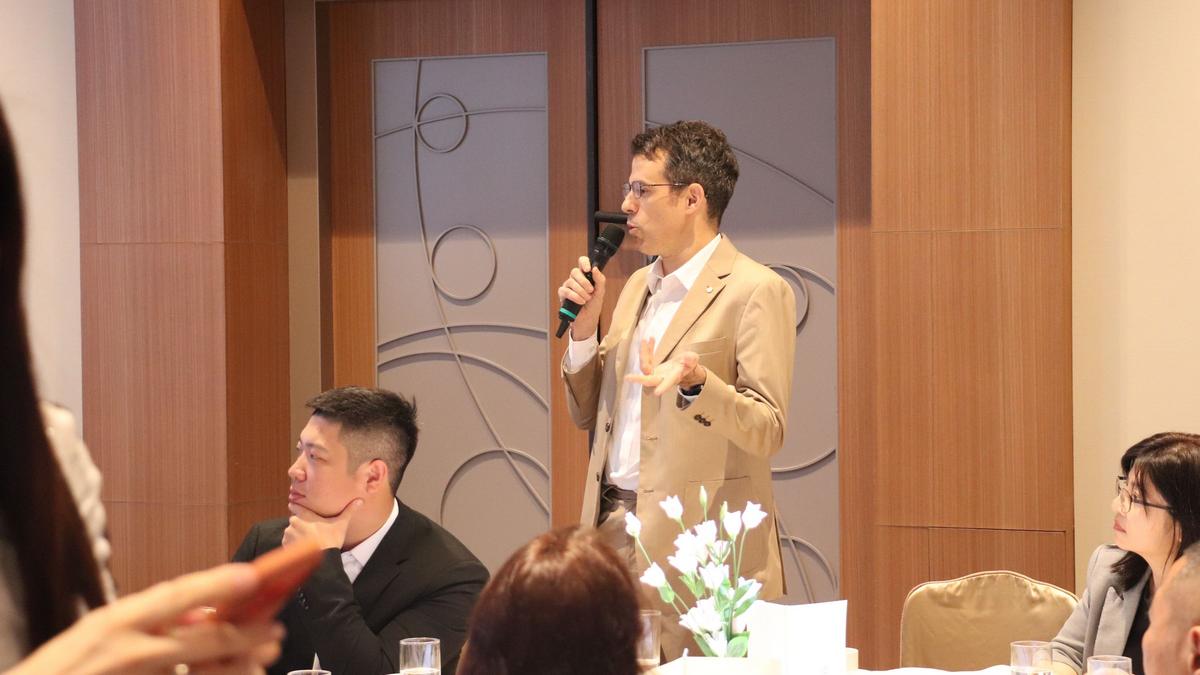
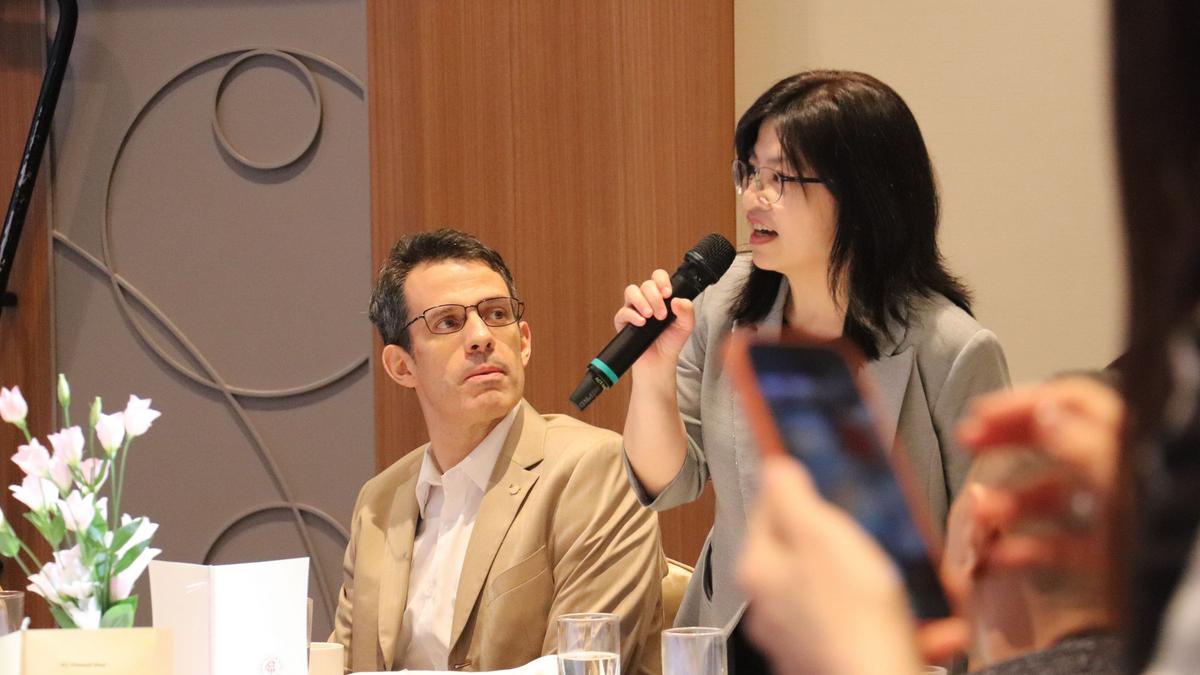
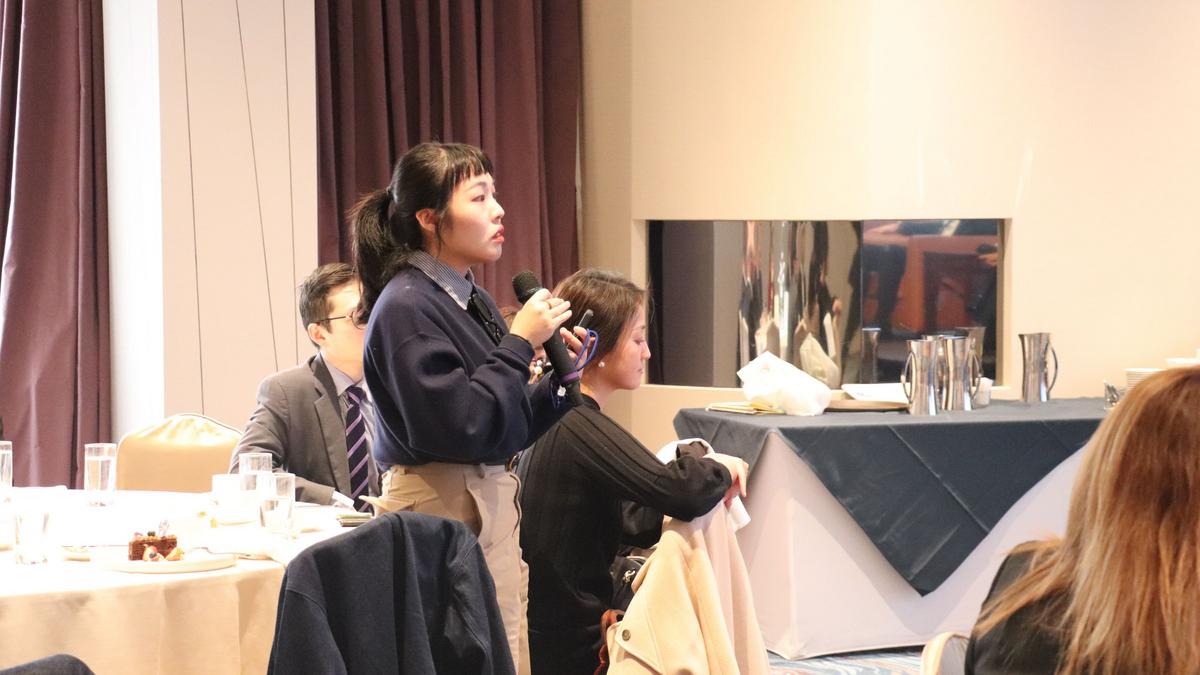
The luncheon concluded with an open Q&A session, allowing Chamber members to engage directly with Minister Peng and the panelists on regulatory clarity, implementation challenges, and future collaboration opportunities. We had questions from Audrey Chin from Decathlon, Emily Lin from L’Oréal, Benoit de Vulpillieres from Cooperl and Damien Sanjuan freelancer in Taiwan.
This exchange confirmed the growing alignment between Taiwan’s environmental policy direction and the expectations of international companies operating locally. It also highlighted the importance of continued dialogue to ensure that sustainability regulations remain practical, transparent, and scalable.
The French Chamber of Commerce and Industry in Taiwan will continue to facilitate such discussions, supporting its members in navigating Taiwan’s evolving ESG landscape while contributing to the island’s net-zero ambitions.